






About Le Havre and the Alabaster Coast
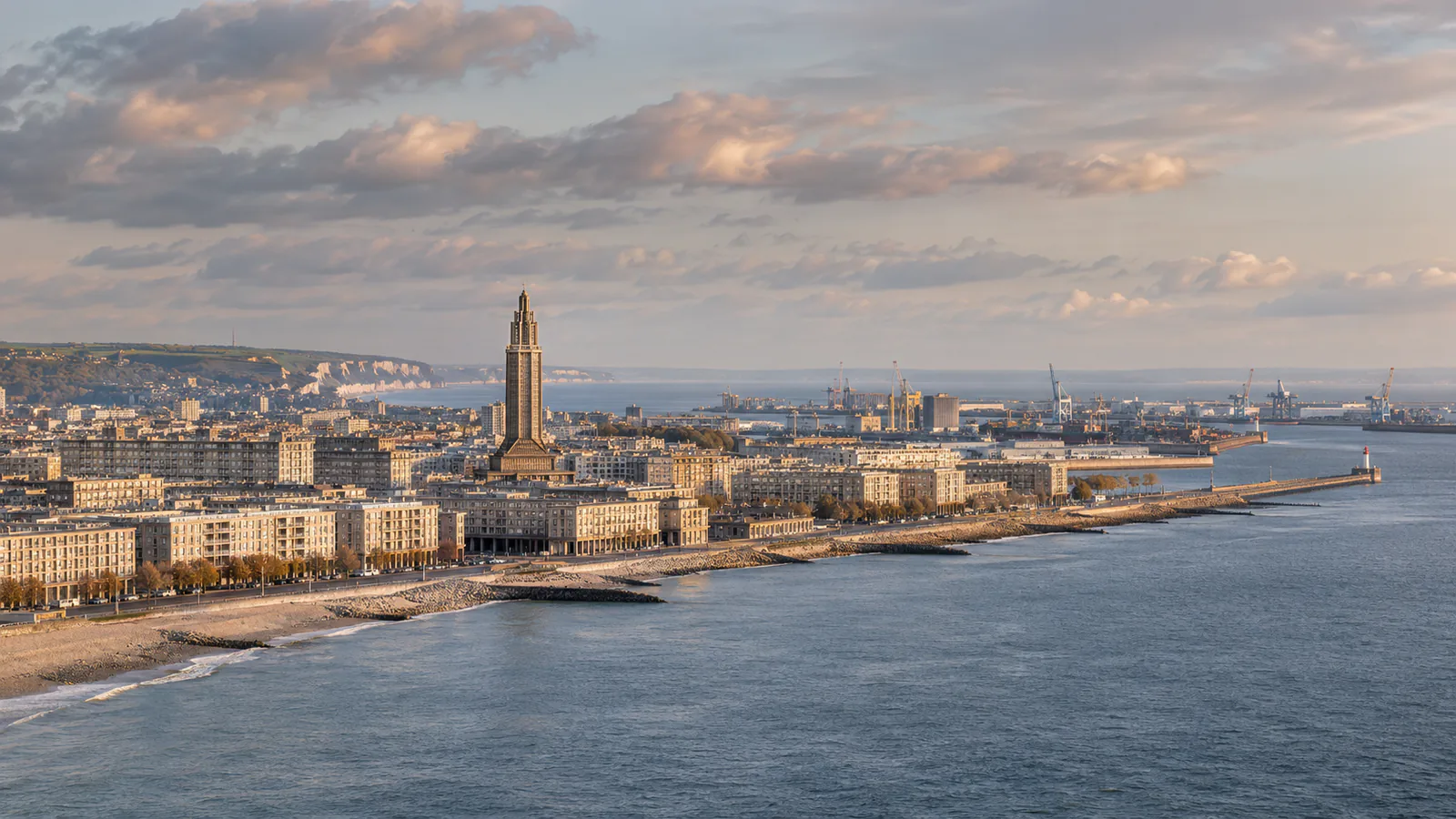
Le Havre stands at the mouth of the Seine on the English Channel and is one of the largest ports in France. Its centre, destroyed in 1944, was rebuilt in concrete to the plans of the architect Auguste Perret, and was inscribed as a UNESCO World Heritage Site in 2005, with St Joseph's Church and its 107-metre tower at its heart. Claude Monet painted Impression, Sunrise in the port here in 1872, and the MuMa museum on the waterfront holds one of France's largest collections of Impressionist painting. Fécamp, a fishing port to the north-east, lies between the white chalk cliffs of the Alabaster Coast. These live cams come from Vision-Environnement and the Côtes Seinomarines webcams.
Which Le Havre and the Alabaster Coast webcam to check first
Start with Vision-Environnement's camera over the port and the MuMa, then the view from the town hall over Perret's city centre. The Fécamp camera shows the harbour between the cliffs. France, Normandy included, is one hour ahead of UTC in winter and two in summer.
Before you go to Le Havre and the Alabaster Coast
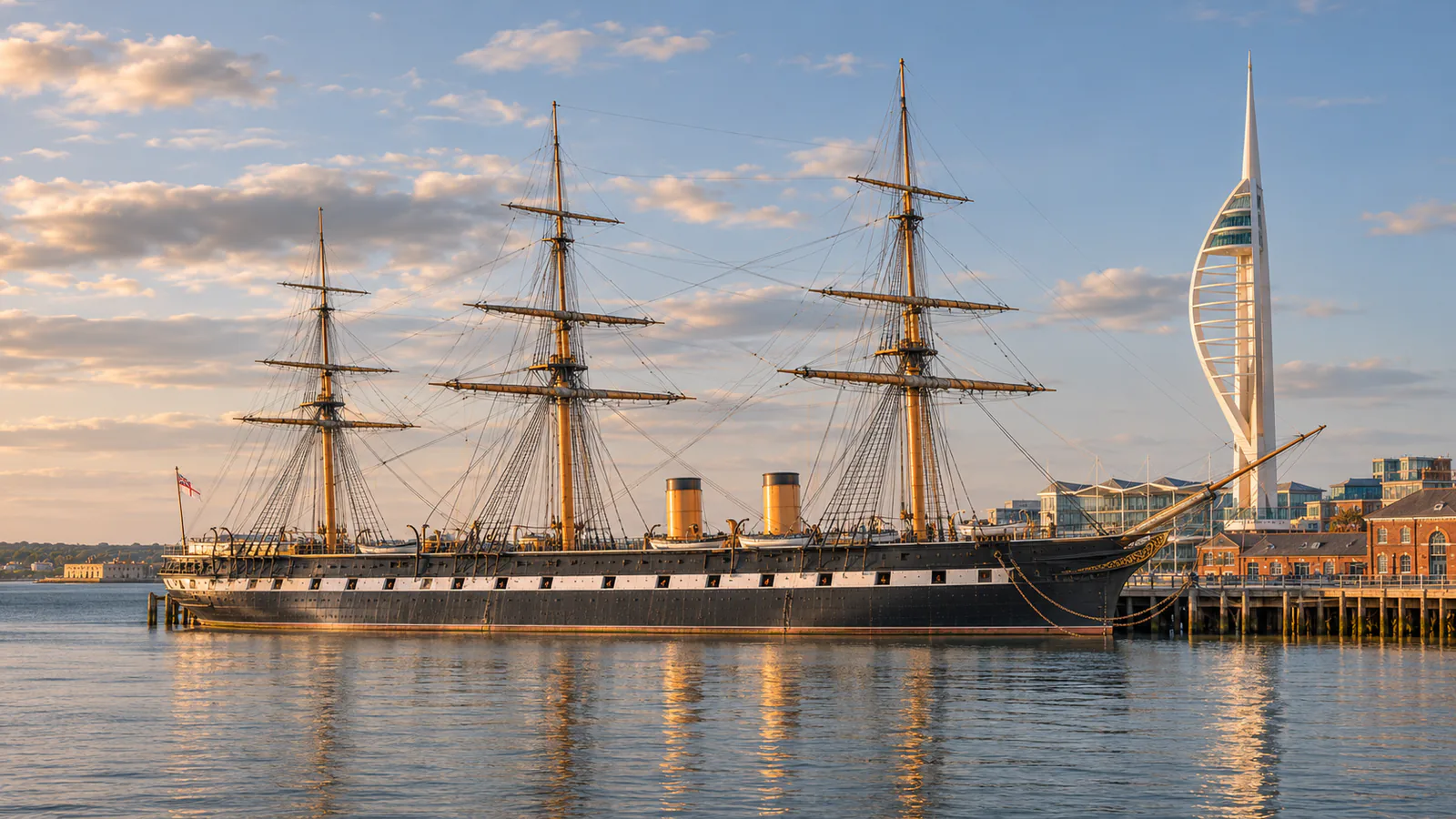
Trains reach Le Havre from Paris Saint-Lazare in about two hours, and ferries sail to Portsmouth. Étretat and its cliff arches are about 30 kilometres north. Check Météo-France for wind and storm warnings on the Channel.
Live cameras and modelled weather can be delayed, incomplete or offline. Check official weather, access and safety information before you make plans.